Headboard material VOC levels: ensuring air quality in new homes
Introduction: The Importance of Indoor Air Quality
So, you've got the keys to your new place, congrats! It's a super exciting time, setting up your nest, choosing the perfect sofa, maybe even thinking about a lucky plant or two. But amidst all the Pinterest boards and furniture hunting, there's something *really* important that often gets overlooked: the air you're actually breathing inside your home. The living room is typically the initial area visitors notice and where the family spends most evenings, so it makes sense to want items that appears stylish, keeps cords tidy, and keeps the area feeling open than it already feels in most SG flats. Many homeowners deal with clunky legacy furniture or budget cabinets that feel unstable, attract dust fast, or just don’t match the modern vibe they’re trying to achieve. That’s exactly where a well-chosen mattress shops really delivers—it offers streamlined compartments for entertainment equipment, streaming boxes, and controllers while acting as a stylish focal point that unifies the entire space with clean lines, clever storage sections, and high-end materials. All at once your media corner turns neat and deliberate, the room looks bigger and more put-together, and film evenings get way more fun without the disorder stealing attention. Exploring handpicked selections on places like Wondrous La Vie makes it easy to source styles that suit your layout spot-on, from minimalist to luxurious, so your hall refresh turns smooth and just right.. Singapore homeowners often encounter special considerations when buying new furniture, especially due to compact apartment living and year-round moisture levels that test material durability. This is exactly why discerning residents invest effort upfront to choose wisely to secure quality without overspending. bed frame consistently ranks as one of the wisest purchase that provides both great comfort with everyday functionality. Always keep in mind that buying value-for-money items in Singapore with reliable after-sales service promises you total support such as prompt island-wide delivery, professional installation, and reliable warranties that give you true long-term peace of mindthat lasts.. Yeah, indoor air quality is a big deal, especially for us in Singapore where we spend so much time indoors escaping the heat and humidity.
Think about it. Our homes are sealed up pretty tight to keep the air-con working its magic. But that also means any nasties lingering in the air get trapped inside with us. And trust me, there can be a fair few. We're talking about things like dust mites, mold spores (especially with our weather!), and, crucially for our furniture choices, volatile organic compounds, or VOCs. VOCs? Sounds scary, right? After a long day being crammed in the MRT and surviving meetings, most Singapore homeowners just want to step into their house to a space that feels cosy and stress-free instead of adding to the stress. A cluttered living room or an lumpy bed setup can make unwinding even more difficult, especially when the kids and parents want to relax together. That’s where thoughtful HDB interior design really makes a difference—it turns everyday rooms like your hall, master bedroom, or kitchen into private sanctuaries that actually help you recharge. With the right sofa, mattress, or clever layout, suddenly walking through the door feels damn shiok, and simple upgrades can bring huge benefits to your well-being and family moments. Platforms like Wondrous La Vie make it easier to explore options and connect with designers who understand the local HDB/condo style spot on. This format lets you easily generate multiple SEO-optimised variations while keeping the core keyword "interior design" stable in the middle for strong on-page targeting.. Well, they're basically chemicals released from everyday materials, and some of them can be a bit of a headache – literally.
Now, why is this especially important for new homeowners like yourselves? Well, brand new furniture, freshly painted walls, and even new flooring can release higher levels of VOCs initially. It's like that 'new car smell,' but not always so pleasant, one, and definitely not something you want to be breathing in 24/7. For those of you with young kids or sensitive family members, this is even more crucial to consider. You don't want to be unintentionally exposing them to something that could trigger allergies or other health issues, right?
And let's be real, buying a home in Singapore is already a huge investment. The last thing you want is for your health, or the health of your loved ones, to suffer because of something easily avoidable. That's why understanding VOCs and making informed choices about your furniture, especially your furniture, is something you should definitely put on your list. We are talking about your bed frame, mattress, sofa, cabinets, tables and chairs after all. After all, your home should be your sanctuary, a place where you can relax and breathe easy, not a source of worry. So, let's dive in and explore how to ensure your new home has the best possible air quality, starting with the often-overlooked, but incredibly important, topic of headboard materials.
What are VOCs and Where Do They Come From?
So, you've finally got the keys to your new BTO flat! Exciting times, right? You're probably scrolling through Instagram and Pinterest, dreaming about how to transform that blank canvas into your dream home. But amidst all the excitement of choosing paint colours and hunting for the perfect sofa, there’s something else you should be aware of: VOCs. You might be thinking, "VOCs? What are those, leh?" Well, let's dive in and find out, especially since they can be hiding in plain sight, even in something as essential as your bed frame.
VOC stands for Volatile Organic Compound. Think of them as tiny little particles that are released into the air from various materials. These compounds contain carbon and, at room temperature, easily evaporate or become gases. Now, not all VOCs are created equal. Some are harmless, while others can potentially affect your health, especially in enclosed spaces like our Singaporean homes, where air circulation might not always be the best. It's not about being paranoid, but just being informed, can? Knowing what they are and where they lurk gives you the power to make smarter choices.
Where do these VOCs come from anyway? Well, they're practically everywhere! They're found in a wide array of everyday products, from paints and cleaning supplies to cosmetics and, yes, even some types of furniture. The levels released often decrease over time, especially in the months after purchase. But in a freshly renovated or furnished home, the concentration can be noticeably higher. It's like when you first open a new car – that "new car smell" is actually a cocktail of VOCs off-gassing from the interior materials. That smell might be appealing to some, but it's something to be mindful of.
Now, let's zero in on furniture, particularly that stylish new bed frame you've been eyeing. Furniture, especially those made with engineered wood products like particleboard or MDF (Medium-Density Fiberboard), can be a source of VOCs. These materials often use adhesives that contain formaldehyde, a common VOC. The good news is that furniture manufacturers are increasingly aware of this and are taking steps to reduce VOC emissions. But knowing what to look for is still important. After all, your bed frame is a pretty important piece of furniture, right? It’s where you'll spend a good chunk of your life sleeping, so it's worth doing your homework to ensure the air around you is as clean as possible.
Beyond the core materials, finishes like paints, stains, and varnishes used on furniture can also contribute to VOC levels. That glossy finish might look fantastic, but it could be releasing VOCs into your bedroom air. Even the fabric used to upholster a headboard can sometimes be treated with chemicals that off-gas. It might seem a bit overwhelming, but remember, knowledge is power! We want our homes to be our safe havens, our places of rest and rejuvenation. A little awareness goes a long way in making sure our indoor air quality is up to par. In Singapore’s non-stop life, stepping into your home to a space that feels properly relaxing can make all the difference after a long day of meetings and travel. Many Singapore homeowners dream about upgrades for their hall or sleeping space, imagining pieces that look stunning while actually being comfortable enough for real life. That’s exactly why bed frame singapore stands out—it brings that perfect blend of sophisticated style, premium materials, and thoughtful comfort that turns everyday spaces into havens you can’t wait to return to relaxing in. Think about melting into a sumptuous seating after family time or feeling truly rested on a luxury sleep surface that cradles your body perfectly; suddenly, your home feels more like a personal retreat instead of just another place. Discovering thoughtfully chosen pieces on sites such as Wondrous La Vie helps you uncover these furniture without the stress, making it easier to create a space that’s both stylish and soul-soothing.. And for new homeowners in Singapore, especially those in smaller apartments, it's extra important to be mindful of these things. Think of it as another step in creating a healthy and happy home for yourself and your loved ones.
Headboard Materials: VOC Emission Levels Compared
Wood Type
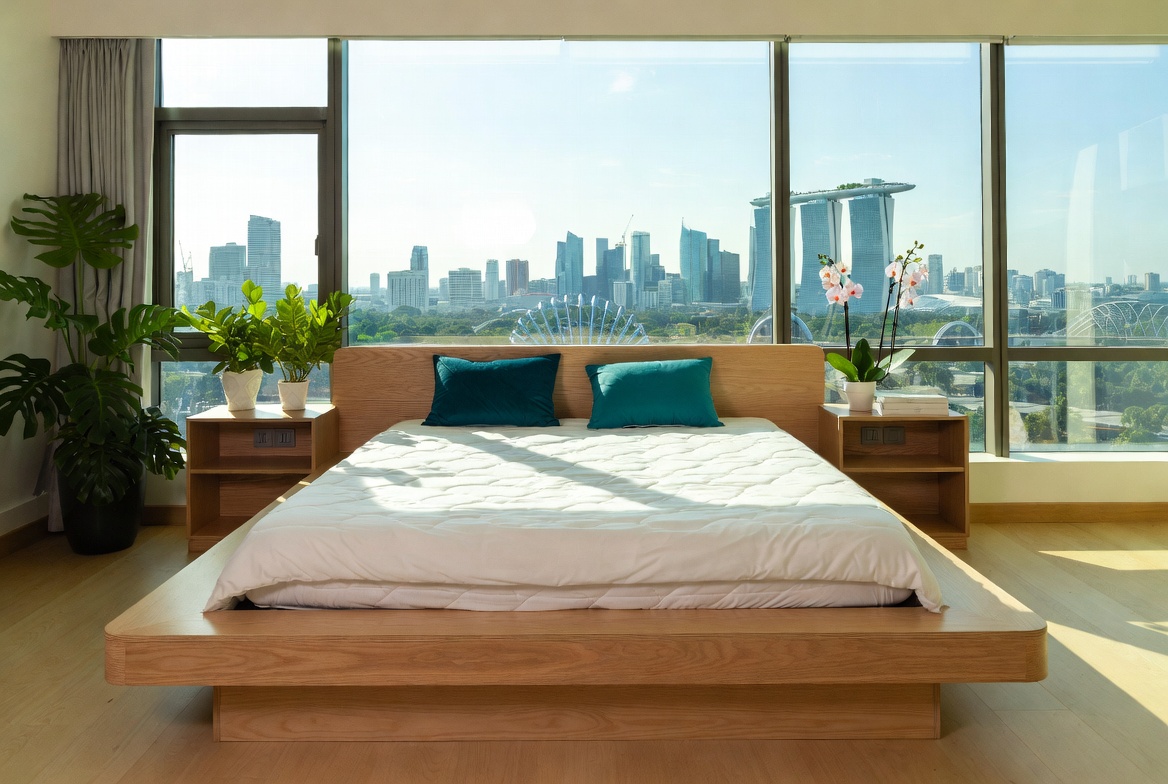
Solid wood headboards, especially those made from sustainably sourced timber, generally have lower VOC emissions compared to engineered wood products. However, the type of finish applied to the wood plays a significant role. Natural oil finishes or water-based sealants are preferable, as they release fewer VOCs than solvent-based varnishes. Choosing a solid wood bed frame can contribute to a healthier indoor environment, particularly important in Singapore's often-humid climate where good ventilation might not always be possible. It's worth checking the specific type of wood and finish used to ensure it aligns with your air quality goals.
Engineered Wood
Engineered wood, such as MDF or plywood, is a common and cost-effective material for bed frame headboard designs. However, these materials often contain adhesives that release VOCs, particularly formaldehyde. The emission levels can vary greatly depending on the manufacturing process and the types of adhesives used. Look for engineered wood products certified as low-VOC or formaldehyde-free; these options are increasingly available and can significantly reduce indoor air pollution. Remember, even seemingly small choices, like your bed frame, can make a difference to the overall air quality in your home, especially for those sensitive to chemicals.
Fabric Choices
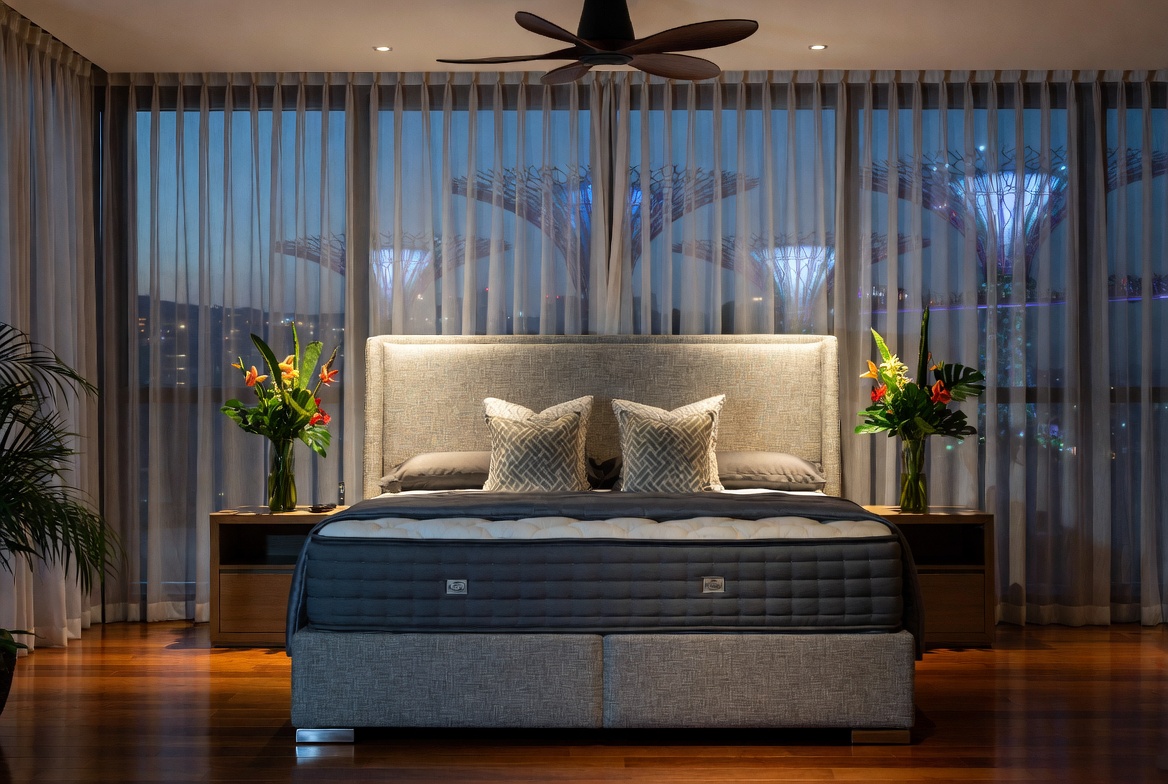
Upholstered headboards offer a touch of luxury and comfort, but the fabric used can also contribute to VOC emissions. Synthetic fabrics, especially those treated with stain repellents or flame retardants, may release more VOCs than natural fibers. Opting for natural materials like cotton, linen, or wool is a better choice for reducing indoor air pollution. These fabrics are often more breathable and less likely to contain harmful chemicals. Plus, they often feel nicer against your skin – a win-win, right? Think about it like choosing between a polyester shirt and a cotton one; same principle applies to your bed frame.
Foam Density
If your upholstered headboard includes foam padding, the type and density of the foam matter. Conventional polyurethane foam can release VOCs, particularly when new. Look for CertiPUR-US certified foam, which indicates that the foam has been tested and meets strict standards for VOC emissions, content, and durability. High-density foam tends to release fewer VOCs than low-density foam due to its more compact structure. So, when selecting your bed frame, don't just focus on the aesthetics; consider what's inside, too. It's like choosing between kopi and kopi-o; both are coffee, but the ingredients are different.
Adhesive Selection
The adhesives used in constructing a headboard, regardless of the primary material, can be a significant source of VOC emissions. Formaldehyde-based adhesives were once common, but safer alternatives are now available. After those endless workdays and the usual crowded MRT ride, nothing beats stepping into a living area that actually welcomes you to rest instead of piling on more tiredness. Many busy Singapore households realise their current seating just isn’t cutting it—uncomfortable, too worn, or simply not supportive enough for movie nights or relaxed Sundays with the children. That’s precisely where bed frame promotion becomes a game-changer—it pairs timeless style, luxurious leather or velvet, and smart comfort engineering so you can sink in and truly relax without your back complaining later. Imagine the whole family hanging out comfortably, sharing stories after meals or watching dramas together, because the space now feels warm and welcoming. Selecting the perfect piece through trusted sites like Wondrous La Vie makes it straightforward, letting you uncover that perfect piece that elevates your entire home vibe without the common home-upgrade worries.. Look for headboards made with low-VOC or formaldehyde-free adhesives. Water-based adhesives are generally a better choice than solvent-based ones. Asking the retailer about the types of adhesives used in the manufacturing process is a good way to ensure you're making an informed decision that prioritizes your health. After all, your bed frame should be a source of comfort, not a source of indoor air pollution.
Prioritizing Low-VOC Headboard Options
When furnishing a new home, prioritize headboard options specifically labeled as low-VOC or certified by organizations like Greenguard. These certifications indicate that the product has been tested and meets strict standards for chemical emissions. Choosing certified products ensures a safer and healthier indoor environment for occupants.
VOC Emissions from Headboard Materials
Headboard materials can release volatile organic compounds (VOCs) into the air, impacting indoor air quality. Selecting low-VOC materials like solid wood, water-based finishes, and natural fabrics minimizes these emissions. This contributes to a healthier living environment, particularly important in newly constructed homes where VOC levels may be elevated.
Bed Frame Material Considerations for VOCs
Different bed frame materials have varying VOC emission levels; solid wood generally emits fewer VOCs than engineered wood products. When considering engineered wood, look for options that use formaldehyde-free adhesives. Understanding the VOC profiles of different materials empowers informed decisions for healthier bedroom environments.
Air Quality Impact of Bed Frame Headboards
The design and materials of bed frame headboards significantly affect air quality within a bedroom. Headboards constructed with composite wood and synthetic adhesives can be a source of formaldehyde and other harmful VOCs. Opting for headboards with simple designs and natural materials reduces potential off-gassing and promotes better air quality.
Understanding VOC Standards and Certifications
So, you’re finally getting your own place in Singapore! Congratulations, lah! Whether it’s a brand new BTO flat or a resale condo, setting up your home is a super exciting time. But amidst all the Pinterest boards and furniture shopping trips, have you thought about what your furniture is *actually* made of? I mean, beyond just the colour and the style?
We’re talking about VOCs, or Volatile Organic Compounds. Don't let the name scare you. These are chemicals released from everyday materials, including some furniture. While some are harmless, others can affect your indoor air quality, and that's not something anyone wants, especially in our already humid climate. And when you're spending a big chunk of your life sleeping, you’ll want to make sure your bedroom is a haven, right?
What are VOCs and Why Should You Care?
VOCs are gases emitted from solids or liquids. You'll find them in a surprising number of products: paints, adhesives, cleaning supplies, and, yes, even some types of furniture. Now, before you panic and think your brand-new sofa is out to get you, most modern furniture adheres to pretty strict safety standards. But it's still worth understanding what VOCs are and why they matter.
The problem with high levels of VOCs is that they can contribute to indoor air pollution. And that can lead to a range of health issues, from headaches and dizziness to more serious respiratory problems, especially for young children, the elderly, or people with existing allergies. Think about it: we spend so much time indoors, especially with the Singapore weather being so unpredictable. So, ensuring good indoor air quality is super important for our health and well-being, right?
When it comes to your bedroom, your bed frame is a key piece of furniture. And the headboard, being a large surface area right next to your head while you sleep, is definitely something to consider. Choosing a bed frame with a low-VOC headboard can make a significant difference in the air quality of your sleeping space. It's all about creating a healthier and more restful environment. Plus, who wants to wake up with a headache every morning? Not me, for sure!
Decoding Low-VOC Materials: What to Look For
Okay, so how do you actually choose furniture with low VOC emissions? It can seem daunting, but don't worry, it's not as complicated as it seems. The key is to look for specific labels and certifications. These are basically stamps of approval that indicate the product has been tested and meets certain VOC emission standards. Think of them as your cheat sheet to healthier furniture.
One of the most common certifications you'll see is the GREENGUARD certification. This means the product has been tested for over 10,000 chemicals and VOCs and meets stringent emission standards. There are different levels of GREENGUARD certification, with GREENGUARD Gold being even stricter, especially for products used in schools and healthcare facilities. So, if you see a bed frame with a GREENGUARD Gold label, you know you're onto something good.
Another certification to look out for is the CARB (California Air Resources Board) compliance. CARB sets limits on formaldehyde emissions from composite wood products, like plywood and particleboard, which are often used in furniture construction. Singapore homes can feel extra cramped after a full day of juggling office hours, meetings, and the daily MRT rush, so it’s no wonder many people crave a space that quickly helps you decompress the moment they step inside. The living room often ends up as the heart of the home, yet it’s easy for it to become overrun by random items or worn-out seating, leaving everyone dispersed rather than connected. That’s where sofa sale really makes the magic happen—it upgrades the whole area with elegant floor plans, luxurious fabrics and surfaces, statement lighting, and supportive pieces with stunning design, creating an inviting hub where everyone naturally gathers to relax, chat, or just spend quality time together. Suddenly evenings feel more meaningful, weekends far more relaxing, and coming home turns into something you genuinely look forward to rather than simply crashing after work. Sites such as Wondrous La Vie make checking out these ideas easy, helping you visualise and source the right elements to craft a living room that matches your lifestyle perfectly.. Formaldehyde is a known VOC that can cause irritation and respiratory problems, so CARB compliance is a good indicator that the furniture is made with safer materials.
Besides certifications, pay attention to the materials used in the bed frame. Solid wood is generally a better option than composite wood, as it tends to have lower VOC emissions. If the bed frame is upholstered, look for fabrics that are made from natural fibers, like cotton or linen, and that are free from chemical treatments. And when in doubt, don't be afraid to ask the retailer about the VOC emissions of the furniture. A reputable furniture store should be able to provide you with this information. It's your right to know, after all!
Navigating Standards and Certifications
Alright, let's dive a little deeper into those certifications we mentioned earlier. Understanding the nuances can really help you make informed decisions. It’s like understanding the different types of coffee – once you know what you’re looking for, you can pick the perfect brew, right?
GREENGUARD, as we touched on, is a big one. It's issued by UL Environment, and it tests products for chemical emissions. The standard basically says that a product has low chemical emissions, improving the air quality. GREENGUARD Gold takes it a step further, certifying products for use in sensitive environments like schools and healthcare facilities. So, if it's good enough for a hospital, it's probably good enough for your bedroom, right?
Then there's CARB, which is specific to California but is often used as a benchmark worldwide. Their standards focus on reducing formaldehyde emissions from composite wood products. Many manufacturers who sell internationally will adhere to CARB standards, even if they're not selling directly in California. So, seeing CARB compliance is a good sign, even if you're shopping for furniture here in Singapore.
Beyond these, you might also see labels like "Oeko-Tex," which certifies that textiles are free from harmful substances. While not directly related to VOCs, it's another indicator that the product is made with safer materials. And remember, don't be afraid to do your research! A little bit of Googling can go a long way in helping you understand the different certifications and what they mean for your health.
Here's a little curiosity bit for you: Did you know that some plants can actually help to reduce VOCs in your home? Snake plants, spider plants, and peace lilies are all known for their air-purifying properties. So, adding a few of these to your bedroom can be a great way to further improve your indoor air quality. Steady, right?
Bed Frame Headboard Designs and VOC Considerations
Now, let’s talk about headboard designs and how they relate to VOCs. Because let's be real, you want a bed frame that's not only healthy but also looks good, right? Luckily, there are plenty of stylish and low-VOC options available.
One popular option is a solid wood headboard. As we mentioned earlier, solid wood generally has lower VOC emissions than composite wood. Plus, it can add a touch of natural beauty to your bedroom. Look for headboards made from sustainably sourced wood and finished with low-VOC paints or stains. These finishes will protect the wood and give it a nice colour without releasing harmful chemicals into the air.
Upholstered headboards are another popular choice, adding a touch of luxury and comfort to your bedroom. But with upholstered headboards, it's even more important to pay attention to the materials used. Look for fabrics that are made from natural fibers, like cotton or linen, and that are free from chemical treatments. And make sure the foam used in the headboard is also low-VOC. Some manufacturers use soy-based foam or other alternative materials that have lower emissions.
If you're looking for a more modern look, consider a metal headboard. Metal is generally a low-VOC material, but make sure the finish is applied properly and doesn't contain any harmful chemicals. Powder-coated finishes are a good option, as they're durable and don't release VOCs.
Ultimately, the best headboard design for you will depend on your personal style and preferences. But by keeping VOC considerations in mind, you can choose a bed frame that's both beautiful and healthy. Confirm can!
Tips for Minimizing VOC Exposure in Your New Home
Okay, you've chosen your low-VOC bed frame and headboard. Great! But there are still other things you can do to minimize VOC exposure in your new home. It's all about creating a healthy and comfortable living environment for you and your family.
First, ventilation is key. Open your windows regularly to air out your home and allow fresh air to circulate. This is especially important after you've installed new furniture or painted the walls. Even just a few minutes of airing out can make a big difference in indoor air quality. Plus, it's a great way to enjoy the breeze (when it's not too hazy, of course!).
Second, consider using an air purifier. Air purifiers can help to remove VOCs and other pollutants from the air, improving your indoor air quality. Look for air purifiers with HEPA filters and activated carbon filters, as these are effective at removing a wide range of pollutants.
Third, be mindful of the cleaning products you use. Many conventional cleaning products contain VOCs, so opt for natural or low-VOC alternatives. There are plenty of eco-friendly cleaning products available in Singapore, or you can even make your own using simple ingredients like vinegar and baking soda.
And finally, remember that VOC emissions tend to decrease over time. So, if you're concerned about the VOC emissions from a new piece of furniture, consider letting it air out for a few days before bringing it into your bedroom. You can even leave it outside on your balcony (if you have one) to allow the VOCs to dissipate more quickly. Like that also can!
By taking these simple steps, you can create a healthier and more comfortable home for yourself and your loved ones. And that's something worth investing in, right? After all, your home is your sanctuary, and you deserve to breathe easy.
Choosing Low-VOC Headboards: Practical Tips for Singaporean Homes
So, you're finally setting up your new home in Singapore, shiok! Finding the perfect bed frame is a big part of making your bedroom a comfy sanctuary. But have you thought about what your headboard is made of? It's easy to get caught up in the style and design, forgetting about the potential impact on your indoor air quality. Let's talk about VOCs – Volatile Organic Compounds – and why choosing a low-VOC headboard is a smart move, especially in our humid climate.
VOCs are gases emitted from certain solids or liquids. They're found in many common household items, including some furniture. Now, not all VOCs are harmful, but some can cause health problems, especially for those with sensitivities or allergies. Think headaches, dizziness, or even respiratory irritation. Not exactly the relaxing vibe you want in your bedroom, right?
When it comes to new homes, especially BTO flats, the concentration of VOCs can be higher initially. Everything is new, and all those materials are off-gassing. That's why it's extra important to be mindful of the materials you're bringing into your space, including your bed frame. After all, you're sleeping right next to it! Let's dive into how you can choose a low-VOC headboard and breathe easier in your new home.
Understanding VOCs in Headboard Materials
Okay, let's get a little more specific about where VOCs come from in headboards. The materials used to make your bed frame, from the wood to the adhesives and finishes, can all be sources of VOCs. It's not about scaring you; it's about being informed so you can make the best choices for your health and well-being.
Let's break down some common headboard materials and their potential VOC levels:
Solid Wood: Generally, solid wood is a good choice, lah! Especially if it's sustainably sourced and untreated. However, even solid wood can be treated with finishes that contain VOCs. Look for certifications like Forest Stewardship Council (FSC) to ensure responsible sourcing.
Engineered Wood (Plywood, MDF): Engineered wood is often more affordable than solid wood, but it can contain formaldehyde, a known VOC. The amount of formaldehyde depends on the type of adhesive used. Look for options labeled "low-VOC" or "no added formaldehyde" (NAF). These are generally safer choices.
Upholstery Fabrics: The fabrics used to cover upholstered headboards can also release VOCs, especially if they're treated with stain repellents or flame retardants. Natural fibers like cotton, linen, and wool are generally better choices than synthetic fabrics.
Adhesives and Finishes: This is where VOCs often lurk! Many adhesives and finishes contain solvents that release VOCs. Look for water-based adhesives and low-VOC finishes. They might cost a little more, but it's worth it for your health.
Remember, it's not always about avoiding a material completely. It's about making informed choices and looking for low-VOC alternatives. Even a small change, like choosing a headboard with a water-based finish, can make a difference in your indoor air quality. I mean, you’re going to spend a good chunk of your life sleeping next to this thing, so might as well make it a healthy one, right?
Factors to Consider When Choosing a Low-VOC Headboard
So, you're ready to shop for a low-VOC headboard. Steady! Here are some key factors to keep in mind to make sure you're making a healthy and stylish choice:
Material Certifications: Look for certifications like GREENGUARD Gold, which indicates that a product has been tested and certified to have low chemical emissions. This is a reliable way to ensure that your headboard meets strict VOC standards.
Adhesive and Finish Types: As mentioned earlier, opt for water-based adhesives and low-VOC finishes. These are less likely to release harmful chemicals into the air. Don’t be afraid to ask the salesperson about the specific adhesives and finishes used in the bed frame.
Ventilation: After you get your new headboard, ventilate your room well for the first few days. Open windows and doors to allow any initial VOCs to dissipate. A fan can also help circulate the air.
Consider Solid Wood Options: If your budget allows, solid wood is often the best choice for low VOC emissions. Just be sure to check the finish and ensure it's low-VOC as well. A bed frame made of solid wood can also last you longer, which is a bonus!
Read Labels Carefully: Always read the product labels carefully before you buy. Look for information about VOC content and any certifications. If you're unsure, ask the retailer for more information.
Choosing a low-VOC headboard might seem like a lot of effort, but it's an investment in your health and well-being. Plus, knowing that you're creating a healthier sleep environment will help you rest easier. And that's what it's all about, isn't it? Don’t worry too much lah, just a little bit of research and you confirm can find something suitable!
Bed Frame Headboard Designs and Styles with Low-VOC Options
Now, let's talk about style! Choosing a low-VOC headboard doesn't mean you have to sacrifice aesthetics. There are plenty of beautiful and stylish options available that are also eco-friendly and healthy. You can find a bed frame in all sorts of designs, even while prioritising low VOCs.
Here are some popular bed frame headboard designs and how to find low-VOC options:
Upholstered Headboards: Look for upholstered headboards made with natural fibers like organic cotton or linen, and filled with natural materials like latex or wool. Make sure the fabric is free of stain repellents and flame retardants.
In Singapore’s humid weather and fast-paced daily grind, getting decent sleep can feel like a true indulgence when you’re starting the day with aches or still tired despite hitting the bed early. Many homeowners put up with an old, sagging mattress for a long time because hunting for upgrades seems too complicated—overwhelming variety, bewildering firmness ratings, and worries it won’t suit their body or sleeping habits. That’s exactly why finding the mattress stores changes everything—it provides the right balance of proper spinal alignment, heat-dissipating features, targeted pressure relief, and durability so you actually wake up alert and pain-free instead of sore and exhausted. Days begin much smoother, you stay energised longer, and even your spouse sees how much better you rest. Exploring thoughtfully chosen picks on platforms like Wondrous La Vie takes the stress away, letting you see highly recommended options with genuine homeowner reviews and photos to select what perfectly fits for your bedroom..
Wooden Headboards: Choose solid wood or engineered wood with low-VOC finishes. Simple, minimalist designs often require fewer finishes and adhesives, making them a safer choice.
Metal Headboards: Metal headboards are generally low in VOCs, but make sure the finish is powder-coated rather than painted with a solvent-based paint.
DIY Headboards: If you're feeling creative, consider making your own headboard! This allows you to control all the materials and ensure they're low-VOC. You can use reclaimed wood, natural fabrics, and water-based finishes.
Don't be afraid to get creative and personalize your space! A low-VOC headboard can be just as stylish and unique as any other. And knowing that you're making a healthy choice will make your bedroom even more inviting. It’s like, you get to sleep well *and* feel good about your choices – double win!
When shopping, don't hesitate to ask retailers about the materials and finishes used in their headboards. Many furniture stores are now offering more eco-friendly and low-VOC options, so you should be able to find something that fits your style and budget. Also, do your research online! Many brands are transparent about their materials and manufacturing processes, which can help you make an informed decision.
Maintaining Air Quality After Purchase
You've chosen your low-VOC headboard – awesome! But the journey to better air quality doesn't end there. Here are some tips to maintain good air quality in your bedroom after your purchase:
Ventilate Regularly: Open your windows and doors regularly to circulate fresh air. This is especially important in Singapore's humid climate, as good ventilation can also help prevent mold growth.
Use an Air Purifier: Consider using an air purifier with a HEPA filter to remove dust, pollen, and other pollutants from the air. Some air purifiers also have activated carbon filters that can help remove VOCs.
Clean Regularly: Dust and vacuum your bedroom regularly to remove dust mites and other allergens. Use natural cleaning products to avoid introducing more VOCs into the air.
Avoid Air Fresheners: Many air fresheners contain VOCs, so it's best to avoid them. Instead, use natural alternatives like essential oil diffusers or open a window for fresh air.
Monitor Humidity Levels: High humidity can promote mold growth, which can worsen indoor air quality. Use a dehumidifier if necessary to keep humidity levels under control.
Maintaining good air quality is an ongoing process, but it's worth the effort. By taking these simple steps, you can create a healthier and more comfortable sleep environment for yourself and your family. Plus, a clean and well-ventilated room just feels nicer, right?
Choosing a low-VOC headboard is a practical and stylish way to improve the air quality in your Singaporean home. By understanding the potential sources of VOCs and taking steps to minimize your exposure, you can create a healthier and more comfortable living space. So, go ahead and find the perfect bed frame that not only looks great but also contributes to your well-being. Sleep tight!
Ventilation Strategies to Reduce VOC Exposure
So, you've finally got the keys to your new BTO flat! Exciting times, right? But amidst all the furniture shopping and planning where to put your lucky cat figurine, there's something you might not be thinking about: indoor air quality. Especially when you’re picking out that perfect bed frame. It's not the most glamorous topic, I know, but trust me, it's important, especially when it comes to VOCs (Volatile Organic Compounds).
VOCs are gases emitted from various household items, including some furniture. And while a little VOC exposure is generally harmless, prolonged exposure, especially in poorly ventilated spaces, can cause health issues. Think headaches, dizziness, and even respiratory problems. Not the kinda vibes you want in your new home, lah!
The good news? You can significantly reduce VOC levels with some simple ventilation strategies. Let's dive in!
Understanding VOCs and Their Sources in New Homes
Okay, let's break down what VOCs actually are. They're basically chemicals that evaporate at room temperature, releasing gases into the air. They're found in tons of things, from paints and adhesives to cleaning products and, yes, even some types of furniture, including some bed frames. That new bed frame smell? Yeah, that's often VOCs off-gassing.
In a new home, you're dealing with a higher concentration of VOCs because everything is brand new. The paint is fresh, the flooring is just installed, and your brand-new bed frame is still releasing those chemicals. It's like a VOC party in your living room, but not the fun kind. Where do these VOCs come from, specifically? Here's a rundown:
Paints and Varnishes: These are major contributors, especially if you've just repainted.
Adhesives and Glues: Used in construction and furniture assembly.
New Furniture: Including mattresses, sofas, cabinets, and, of course, bed frames. Especially those made with composite wood products like MDF or particleboard.
Cleaning Products: Air fresheners, detergents, and disinfectants can release VOCs.
Building Materials: Carpets, flooring, and insulation can also off-gas.
So, you're surrounded by potential VOC sources! Don't panic, though. Understanding where they come from is the first step to mitigating their effects. We can't eliminate them completely, but we sure can minimize them. It's all about being smart about your choices and proactive with ventilation.
The Importance of Ventilation in Minimizing VOC Exposure
Ventilation is your secret weapon against VOCs. Think of it as airing out your problems, literally. By bringing in fresh air from the outside, you're diluting the concentration of VOCs indoors and flushing them out. Without proper ventilation, those VOCs just hang around, building up to potentially harmful levels. Imagine closing all the windows and doors after a durian feast – the smell just lingers, right? Same concept, but with invisible chemicals.
Why is this so important, especially in Singapore? Well, we tend to keep our windows closed to keep out the heat, humidity, and mozzies. And let's be honest, the haze season is a real thing. So, we often rely on air conditioning, which recirculates the same air. While air conditioning can help with temperature and humidity, it doesn't necessarily improve air quality. In fact, some air conditioning systems can even contribute to VOCs if they aren't properly maintained.
Think of your home as a container. Without ventilation, the VOCs are trapped inside, constantly building up. With ventilation, you're opening the container and letting the stale, VOC-laden air escape, replacing it with fresh air. It’s like giving your home a breath of fresh air, literally! This is especially crucial when you first move in and when you introduce new furniture, like that awesome new bed frame you just bought. So, how do we actually *do* ventilation? Let's get practical.
Simple and Effective Ventilation Techniques for New Homes
Okay, so we know ventilation is important. But how do you actually ventilate your home without letting in all the heat and humidity? Don't worry, it's easier than you think. Here are some simple and effective techniques you can use, even in our Singapore climate:
Open Windows and Doors: This is the most basic and effective method. Open windows and doors for at least 15-20 minutes a day, especially in the morning and evening when the air is cooler. Even a little bit makes a difference. If you're worried about security, you can open windows slightly or use window restrictors.
Use Exhaust Fans: Kitchen and bathroom exhaust fans are designed to remove moisture and odors, but they also help to vent out VOCs. Run them while cooking and showering, and for a little while afterward.
Air Purifiers: Invest in a good quality air purifier with a HEPA filter and activated carbon filter. HEPA filters remove particulate matter, while activated carbon filters absorb VOCs and odors. Place the air purifier in your bedroom or living room, where you spend most of your time.
Cross-Ventilation: Create cross-ventilation by opening windows on opposite sides of your home. This allows air to flow through more effectively.
Ventilate During and After Renovation: When you're painting, installing new flooring, or assembling furniture, make sure to ventilate the area well. Open windows and doors, and use fans to circulate the air.
Don't underestimate the power of simple habits! Even small changes, like opening a window while you're getting ready in the morning, can make a big difference. And remember, ventilation is especially important when you first move in and when you bring new items into your home. Give that new bed frame a good airing out before you start using it. You know, give it a chance to "breathe" a bit.
Choosing Low-VOC Bed Frames and Furniture
Beyond ventilation, another key strategy is to choose furniture that emits fewer VOCs in the first place. When you're shopping for a bed frame, look for options that are labeled as "low-VOC" or "VOC-free." This means that the materials and finishes used in the furniture have been tested and certified to meet certain standards for VOC emissions.
What should you look for specifically? Here are some tips:
Solid Wood: Solid wood furniture generally emits fewer VOCs than furniture made with composite wood products like MDF or particleboard. Look for bed frames made from sustainably sourced solid wood.
Water-Based Finishes: Choose furniture with water-based finishes instead of solvent-based finishes. Water-based finishes emit fewer VOCs.
Certifications: Look for certifications like GREENGUARD Gold or OEKO-TEX Standard 100. These certifications indicate that the furniture has been tested for VOC emissions and other harmful substances.
Natural Materials: Consider bed frames made with natural materials like bamboo, rattan, or wool. These materials tend to be lower in VOCs than synthetic materials.
Pay attention to the materials used in the mattress as well. Look for mattresses made with natural latex, organic cotton, or wool. Avoid mattresses with polyurethane foam, which can emit VOCs. It might cost a bit more upfront, but it's an investment in your health and well-being. Plus, you'll sleep better knowing you're not breathing in harmful chemicals all night long. Steady one!
Maintaining Good Indoor Air Quality Long-Term
Reducing VOC exposure isn't a one-time thing; it's an ongoing process. To maintain good indoor air quality in your home long-term, you need to adopt some sustainable habits. Here are some tips:
Regular Cleaning: Dust and vacuum regularly to remove dust and allergens that can trap VOCs. Use a vacuum cleaner with a HEPA filter.
Avoid Air Fresheners and Scented Candles: These products often contain VOCs. Instead, try natural alternatives like essential oil diffusers or baking soda to absorb odors.
Proper Storage of Chemicals: Store paints, cleaning products, and other chemicals in airtight containers in a well-ventilated area, away from living spaces.
Maintain Your Air Conditioning System: Clean or replace your air conditioning filters regularly to prevent the buildup of mold and bacteria.
Monitor Humidity Levels: High humidity can promote the growth of mold and mildew, which can also contribute to poor air quality. Use a dehumidifier if necessary.
Think of it as creating a healthy ecosystem in your home. By being mindful of the products you use and the way you maintain your home, you can create a living space that is both comfortable and healthy. It's all about making conscious choices and creating habits that support good indoor air quality. It's not always easy, but it's definitely worth it. With Singapore’s compact homes and tropical humidity, finding furniture that’s both elegant yet functional can feel like a endless chase—especially when you need items that stand the test of time without losing their look. Many Singaporeans end up going with mainstream choices that look okay online but disappoint in real life—either too lightweight for daily family use or not cool enough for our climate. That’s why visiting a reliable furniture shops connected via Wondrous La Vie changes everything—it puts you in touch with curated selections of top-grade seating, mattresses, dining sets, and more, with real showrooms or detailed visuals so you can feel confident about what fits your HDB, condo, or landed space. You get that confidence knowing the pieces are chosen for Singapore living—long-lasting builds, space-smart dimensions, and looks that turn your space into a cosy haven. In the end, the ideal source turns what could be a frustrating task into an enjoyable journey toward a living environment that feels truly shiok.. After all, your home should be your sanctuary, a place where you can relax and breathe easy. Like that, can?
So, there you have it! Ventilation strategies to reduce VOC exposure in your new Singapore home. It might seem like a lot to think about, but remember, even small changes can make a big difference. By being proactive and informed, you can create a healthy and comfortable living space for yourself and your family. Now go enjoy your new home and that brand new bed frame, worry-free!
DIY Headboard Sealing for VOC Reduction
```html
So, you've finally got the keys to your new BTO flat, congrats! Or maybe you're just giving your bedroom a little refresh. Singaporeans are always on the lookout for clever opportunities to revamp their interiors without exceeding the budget, especially when HDB renovations or condo makeovers can already consume a large portion of the reno savings. Between rising costs and the wish for a comfier, better-organised environment, many homeowners time their purchases carefully to refresh seating, sleep surfaces, or meal areas that actually make daily life feel better. That’s when jumping on bed promotions Singapore proves to be a smart move—it lets you grab high-quality, stylish pieces at significant savings, often with added perks like no-delivery-fee, longer guarantees, or package offers that maximise your budget. Suddenly you can afford that plush sofa you’ve been eyeing or a better back-supporting bed without the second thoughts, turning your home into an truly welcoming retreat for bonding and rest after long workdays. Exploring places like Wondrous La Vie helps you stay updated on the current deals, so you can review, see in 3D, and snap up the top bargains that fit your home and taste just right.. Either way, choosing the right bed frame is a big decision, right? It's not just about style; it's about creating a healthy and comfortable space to sleep. But have you ever stopped to think about what your new bed frame – especially the headboard – might be releasing into the air you breathe every night? We're talking about VOCs, or Volatile Organic Compounds. Don't worry, it sounds scarier than it is, and there are things you can do about it, confirm can!
Let’s dive into how to make sure your beautiful new bed frame isn't secretly contributing to poor air quality, and what you can do to keep things fresh and healthy in your home. After all, a good night's sleep is crucial for tackling everything Singapore life throws at you, from early morning meetings to late-night kopi sessions.
Understanding VOCs in Headboard Materials
Okay, let's break down what VOCs actually are. Basically, they're gases emitted from certain solids or liquids. In the world of furniture, including your bed frame, they can come from things like adhesives, finishes, and even the materials themselves, especially if it's engineered wood like MDF or particleboard. These materials are often used in headboards because they're affordable and versatile, allowing for all sorts of cool designs. But the downside is they can release VOCs into the air.
Now, you might be thinking, "Are VOCs really that bad?" Well, exposure to high levels of VOCs can cause a range of health issues, from headaches and dizziness to more serious respiratory problems. For those with sensitivities, like young children or people with asthma, the effects can be even more pronounced. And let's be honest, nobody wants to wake up feeling groggy and congested, right?
Different headboard materials have different VOC emission levels. Solid wood, especially if it's unfinished or finished with natural oils, generally has the lowest VOC emissions. Engineered wood, on the other hand, can have higher levels, depending on the type of adhesive used in its construction. Fabric headboards can also release VOCs if the fabric is treated with certain chemicals or stain repellents. It's a bit of a minefield, lah!
So, how do you navigate this? Well, look for bed frames and headboards that are labeled as low-VOC or certified by organizations like Greenguard. These certifications mean that the product has been tested and meets strict standards for VOC emissions. It's a good way to ensure that you're bringing safe furniture into your home. And remember, even if a product isn't certified, you can still ask the retailer or manufacturer about the materials and finishes used. Knowledge is power, you know?
Also, keep in mind that VOC emissions tend to decrease over time. So, that new bed frame smell? That's actually the VOCs off-gassing. Ventilating your room well, especially when you first get new furniture, can help speed up this process. Open those windows and let the fresh air in!
Is Sealing Your Existing Headboard a Viable Option?
Okay, so you've already got a bed frame and headboard, and now you're worried about VOCs. Don't panic! Sealing your existing headboard could be a viable option to reduce VOC emissions, but it's not a guaranteed fix. Think of it like this: it's like putting a raincoat on your headboard. It might help, but it depends on the rain, the raincoat, and how long you're out in the storm.
The idea behind sealing is to create a barrier between the headboard material and the air, preventing VOCs from escaping. However, the effectiveness of sealing depends on a few key factors. First, the type of sealant you use is crucial. You need to choose a low-VOC or zero-VOC sealant specifically designed for furniture. Regular paints or varnishes might actually add to the VOC problem, which is the opposite of what you want, right?
Second, the condition of your headboard matters. If it's already old and heavily off-gassing, sealing might only provide a temporary solution. The VOCs trapped inside could still find their way out eventually. Also, if the headboard is damaged or has cracks, the sealant won't be as effective.
Third, proper application is key. You need to thoroughly clean and prepare the surface before applying the sealant. Follow the manufacturer's instructions carefully, and make sure to apply multiple coats for maximum protection. And remember to ventilate the room well during and after application to allow the sealant to dry properly.
So, is it worth it? Well, it depends. If you're concerned about VOCs and you have a relatively new headboard in good condition, sealing might be a worthwhile investment. It's a relatively inexpensive and easy DIY project that could potentially improve your indoor air quality. However, if your headboard is old or heavily damaged, or if you're highly sensitive to VOCs, you might be better off investing in a new, low-VOC bed frame altogether. Sometimes, like that is just the better option, you know?
Ultimately, sealing your existing headboard is a balancing act. It's about weighing the potential benefits against the costs and limitations. Do some research, choose the right products, and apply them carefully, and you might just be able to breathe a little easier.
Cost-Effective Products for Sealing
Alright, so you've decided to give sealing your headboard a go. That's great! Now, let's talk about some cost-effective products you can use. Remember, the key is to look for low-VOC or zero-VOC options. You don't want to solve one problem by creating another, right?
One popular option is water-based sealants. These sealants are generally low in VOCs and easy to apply. They're also relatively affordable and readily available at most hardware stores. Look for brands that specifically advertise their low-VOC content. Read the labels carefully and compare products before making a purchase. Don't just grab the cheapest one, okay? Quality matters, especially when it comes to your health.
Another option is shellac-based sealants. Shellac is a natural resin that's been used for centuries as a wood finish. It's relatively low in VOCs and provides a good barrier against moisture and other contaminants. However, it can be a bit more expensive than water-based sealants, and it might require a bit more skill to apply properly.
For fabric headboards, you can use fabric sealants or protectors that are specifically designed to reduce VOC emissions. These products are typically sprayed onto the fabric and create a barrier that prevents VOCs from escaping. Again, look for low-VOC options and follow the manufacturer's instructions carefully.
In addition to sealants, you'll also need some basic supplies, like sandpaper, cleaning cloths, brushes or rollers, and painter's tape. These items are relatively inexpensive and can be found at most hardware stores. And don't forget to wear gloves and a mask when applying the sealant to protect yourself from potential exposure to VOCs. Safety first, lah!
Here's a quick tip: before you start sealing your entire headboard, test the sealant on a small, inconspicuous area first. This will allow you to see how the sealant looks and performs, and it will also help you identify any potential problems before you commit to sealing the entire surface. It's always better to be safe than sorry, you know?
Ultimately, the best products for sealing your headboard will depend on your specific needs and preferences. Do some research, read reviews, and compare prices before making a purchase. And remember, investing in quality products is an investment in your health and well-being.
Practical Suggestions for Reducing VOCs
Okay, so you've learned about VOCs, sealing, and products. Now, let's get down to some practical suggestions for reducing VOCs in your home, beyond just sealing your headboard. Because let's face it, it's not just about the bed frame, right? It's about creating a healthy living environment overall.
First and foremost, ventilation is key. Open your windows regularly to air out your home, especially after bringing in new furniture or renovating. Fresh air helps to dilute and remove VOCs from the indoor environment. Even a few minutes of ventilation each day can make a big difference. Think of it as giving your home a good "breath of fresh air," steady?
Another important suggestion is to choose low-VOC or zero-VOC products whenever possible. This includes paints, adhesives, cleaning supplies, and even personal care products. Look for labels that indicate low-VOC content, and do some research to find brands that prioritize sustainability and health. It might cost a bit more, but it's worth it in the long run.
Consider adding some indoor plants to your home. Certain plants, like spider plants, snake plants, and peace lilies, are known to filter air and remove VOCs. They're also a great way to add some greenery and life to your living space. It's like bringing a little bit of nature indoors, leh!
When buying new furniture, opt for solid wood or other natural materials whenever possible. These materials generally have lower VOC emissions than engineered wood or synthetic fabrics. If you do choose engineered wood furniture, look for products that are certified as low-VOC or formaldehyde-free.
Finally, be mindful of your cleaning habits. Avoid using harsh chemicals or strong fragrances, as these can release VOCs into the air. Instead, opt for natural cleaning products or make your own using ingredients like vinegar, baking soda, and lemon juice. It's a simple way to reduce your exposure to harmful chemicals and create a healthier home environment. Plus, it's good for the environment too!
Reducing VOCs in your home is an ongoing process. It's about making
Conclusion: Prioritizing Health and Comfort in Your New Home
So, you've finally got the keys to your new place! In Singapore’s smaller HDB homes and modern residences, the bedroom often acts as a rest zone and more— a place for deep relaxation after long workdays, enjoy quiet time with a book, or even sneak in a quick work-from-home setup when needed. It’s frequent for local residents to feel frustrated by arrangements that appear overcrowded, harsh overhead lights, or cluttered cabinets taking up room, making the room feel more functional than relaxing. That’s where thoughtful furniture stores makes the biggest impact—it centres around clever spatial solutions, calming colour palettes, versatile bedroom pieces, and clever lighting to create a restorative haven that boosts sleep quality while ensuring clutter-free airflow. SUDDENLY the bedroom turns into the place you can’t wait to reach at the close of each day, helping you unwind faster, achieve better quality sleep, and wake up feeling more refreshed for whatever the next day brings. Sites such as Wondrous La Vie offer plenty of genuine homeowner transformations and easy connections to experts focused on these smart, aesthetic SG bedroom upgrades.. Congratulations, lah! It’s an exciting time, setting up your dream home, choosing the perfect furniture, and envisioning all the memories you’ll make there. But amidst all the excitement, it's easy to overlook something crucial: the air you breathe inside. And that's where the materials in your furniture, especially your bed frame, come into play.
We’ve talked about VOCs (Volatile Organic Compounds) and how they can sneak into your home from seemingly harmless things like paint, cleaning products, and even your brand-new furniture. Now, let's bring it all together and see how choosing a low-VOC headboard for your bed frame can make a real difference to your health and well-being, especially in the long run.
The Long-Term Payoff of Low-VOC Choices
Think of your home as your sanctuary, a place where you can truly relax and recharge after a long day navigating the hustle and bustle of Singapore life. But if your furniture is constantly releasing VOCs into the air, that sanctuary might be doing more harm than good. Prolonged exposure to high levels of VOCs can lead to a whole host of health problems, from headaches and dizziness to more serious respiratory issues. Not exactly the kind of welcome you want, right?
Choosing a low-VOC headboard for your bed frame, on the other hand, is an investment in your long-term health. By minimizing your exposure to these harmful chemicals, you're creating a healthier indoor environment for yourself and your family. It's like giving your body a little extra support to function at its best. Plus, knowing that you’ve made a conscious effort to reduce your exposure to potentially harmful substances can bring a sense of peace of mind. And let's be honest, who doesn't need a little more peace of mind these days?
Consider this: you spend roughly a third of your life sleeping. That's a lot of time spent breathing the air around your bed frame. So, doesn’t it make sense to ensure that air is as clean and healthy as possible? Choosing a low-VOC headboard is one simple, yet effective, way to do just that. It’s not just about aesthetics; it’s about prioritising your well-being and creating a home that truly nurtures your health.
Making Informed Decisions: Certifications and Labels
Okay, so you're convinced that low-VOC is the way to go. But how do you actually identify low-VOC furniture when you're out shopping? It can feel like navigating a minefield of confusing labels and technical jargon. Don’t worry, we'll break it down for you.
One of the easiest ways to ensure you're choosing a low-VOC headboard for your bed frame is to look for certifications from reputable organizations. These certifications indicate that the furniture has been tested and meets specific standards for VOC emissions. Some common certifications to look out for include:
GREENGUARD Gold: This certification ensures that products have met strict chemical emission limits, making them safe for use in sensitive environments like schools and healthcare facilities. It's a good sign that the furniture is low-VOC and safe for your home.
CertiPUR-US: This certification applies specifically to foam products, ensuring they are made without certain harmful chemicals and have low VOC emissions. If your headboard contains foam padding, look for this label.
Oeko-Tex Standard 100: This certification tests textile products for harmful substances, including VOCs. If your headboard is upholstered in fabric, this label can give you confidence that the fabric is safe.
Besides certifications, pay attention to product labels and descriptions. Manufacturers are increasingly transparent about the materials they use and the VOC emissions of their products. Look for phrases like "low-VOC," "zero-VOC," or "formaldehyde-free." Don't be afraid to ask the salesperson for more information about the materials used in the furniture and any certifications it has. After all, you're making an investment in your health, so it's important to be informed.
Remember, a little bit of research can go a long way in ensuring you're choosing a healthy and safe headboard for your bed frame. Don't be afraid to ask questions, read labels carefully, and look for certifications from reputable organizations. Your health is worth it!
Beyond the Headboard: A Holistic Approach to Indoor Air Quality
Choosing a low-VOC headboard for your bed frame is a fantastic first step, but it's just one piece of the puzzle when it comes to creating a healthy indoor environment. Think of it like this: you wouldn't just focus on eating healthy and ignore exercise, right? Similarly, you need a holistic approach to ensure the air you breathe is as clean and fresh as possible.
Here are some other things you can do to improve your indoor air quality:
Ventilation is Key: Open your windows regularly to air out your home, even if it's just for a few minutes each day. This helps to flush out VOCs and other pollutants that may be building up indoors. Cross-ventilation is even better, as it creates a flow of fresh air throughout your home.
Embrace Plants: Houseplants are natural air purifiers, absorbing pollutants and releasing oxygen. Some particularly effective air-purifying plants include snake plants, spider plants, and peace lilies. Plus, they add a touch of greenery to your home, which can boost your mood and reduce stress.
Choose Low-VOC Paints and Cleaning Products: When painting your walls or cleaning your home, opt for low-VOC or natural products. These products release fewer harmful chemicals into the air.
Consider an Air Purifier: An air purifier can help to remove pollutants like dust, pollen, and VOCs from the air. Look for an air purifier with a HEPA filter, which is effective at capturing small particles.
Creating a healthy indoor environment is an ongoing process. It's about making conscious choices about the products you bring into your home and taking steps to ensure good ventilation and air quality. By taking a holistic approach, you can create a sanctuary that truly supports your health and well-being. It's about creating a home that's not just beautiful, but also healthy and sustainable.
The Singaporean Context: Affordability and Accessibility
Now, let's talk about the practicalities of choosing low-VOC furniture in Singapore. We know that affordability is a major concern for many first-time homeowners and young families. The good news is that low-VOC options are becoming increasingly accessible and affordable, especially for essential furniture like your bed frame. You don't have to break the bank to create a healthy home.
Many furniture retailers in Singapore are now offering a wider range of low-VOC options, from bed frames and mattresses to sofas and dining tables. Some retailers even specialize in eco-friendly and sustainable furniture. Take some time to explore different options and compare prices. You might be surprised at how affordable low-VOC furniture can be, especially when you consider the long-term health benefits.
Another thing to keep in mind is that you don't have to replace all your furniture at once. You can start by focusing on the pieces that you use most often, like your bed frame, and gradually replace other items with low-VOC alternatives as your budget allows. Every little bit helps! Also, consider shopping during sales periods or looking for discounts on eco-friendly furniture. Many retailers offer promotions to encourage customers to choose sustainable options. It's all about being a savvy shopper and making informed choices that align with your values and your budget.
Ultimately, choosing low-VOC furniture is an investment in your health and well-being. It's about creating a home that supports your health and allows you to thrive. And in a bustling city like Singapore, where we spend a significant amount of time indoors, that's more important than ever. So, steady lah, take your time, do your research, and choose wisely. Your body will thank you for it!
What VOC levels should I look for in a headboard to ensure good air quality in my new Singapore home?
Opt for headboards with low or zero VOC emissions, ideally those certified by Greenguard or similar standards, to minimize indoor air pollution.
How do headboard materials affect the air quality in my bedroom?
Certain headboard materials, like those treated with formaldehyde or containing VOCs, can release harmful gases into the air, impacting indoor air quality and potentially causing health issues.
What are some headboard materials with naturally low VOC levels suitable for Singapores climate?
Solid wood, particularly sustainably sourced options, and natural fabrics like cotton or linen generally have lower VOC emissions compared to synthetic materials or those treated with chemical finishes.
How can I reduce VOC exposure from a new headboard in my Singapore home?
Air out the headboard for several days before bringing it into your bedroom to allow VOCs to dissipate, and consider using an air purifier to further improve air quality.
Are there specific certifications I should look for when buying a headboard to ensure low VOC emissions?
Look for certifications like Greenguard Gold, Oeko-Tex Standard 100, or similar labels that indicate the headboard has been tested and meets strict standards for low chemical emissions.